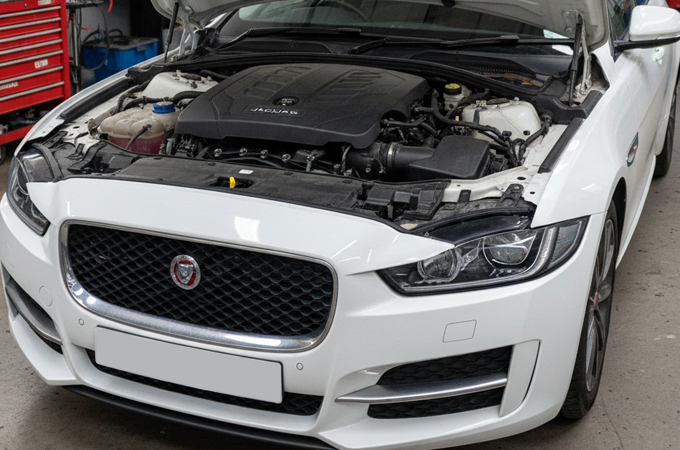

The Search Began: Why I Needed a Replacement Jaguar XE Engine and How I Found It
It started with a noise no Jaguar owner ever wants to hear—a deep, rhythmic knock from the depths of the 2.0-litre Ingenium diesel. My 2017 Jaguar XE, which had been a steadfast companion on motorway commutes, suddenly sounded like it was operating a miniature jackhammer under the bonnet. After a trip to my local independent specialist, the diagnosis was grim: bottom end failure. The conversation quickly turned from repair costs to the reality of a replacement Jaguar XE engine. Initially, my heart sank. I envisioned a bill that would exceed the car’s current market value, forcing me into the stressful hunt for a new vehicle in a volatile market. However, I decided to pause and explore every avenue before making that final call. The world of engine supply and fitting felt like a daunting labyrinth of jargon, varying prices, and questions about reliability. I needed to cut through the noise and find a solution that wouldn’t compromise my car’s performance or my bank balance.
My research began with the most basic of searches: “engine for sale in UK.” The results were overwhelming, ranging from listings on eBay for engines with unknown histories to advertisements from massive scrapyards. I quickly learned that blindly searching for a “used engine for sale near me” was a recipe for disaster. Proximity didn’t guarantee quality. I needed to find a supplier who could provide more than just a lump of metal; I needed provenance. I compiled a shortlist of companies that offered detailed histories. I wasn’t just looking for a second hand Jaguar XE engine; I needed one with verified mileage documentation and clear service history records. This is where the concept of a donor vehicle condition report became invaluable. The best suppliers weren’t just selling parts; they were selling the documented life of a vehicle, giving me confidence that the engine I was buying hadn’t led a harder life than my own. This focus on transparency, backed by genuine customer testimonials and Trustpilot ratings, was my first real step towards a successful engine replacement.
Reconditioned vs. Used: Deciphering the Jargon and True Value
Once I had a list of potential suppliers, the next hurdle was understanding exactly what I was being quoted for. The terminology used in the industry can be incredibly confusing. I was offered everything from a straight used Jaguar XE engine to a rebuilt Jaguar XE engine, a remanufactured Jaguar XE engine, and a reconditioned Jaguar XE engine. Initially, they all sounded similar, but the price differences were significant. A basic used unit was the cheapest, but it was a gamble—it came with its own unknown history and would be fitted exactly as it was removed from a donor car. On the other end of the spectrum was the remanufactured Jaguar XE engine, a process where the engine is completely stripped, the block is machined, and it’s reassembled with new components like oversized pistons & rings and bearings to meet, or even exceed, original factory specifications. This option was the most expensive, but it effectively gave me a new engine.
I had to decide where the value lay for my particular XE. The reconditioned engine price often falls between a used unit and a full remanufacture. A recon engine, as I came to understand from a specialist I spoke with, typically involves stripping the engine down, inspecting the components, and only replacing parts that are worn or out of specification. The key components like the crankshaft might be subject to crankshaft grinding and the cylinder head resurfacing, but the aim is to restore it to a serviceable, ‘as-new’ condition rather than building it with all-new internals. The specialist I ultimately chose specialised in reconditioned engines UK-wide and provided a detailed breakdown of the cost of reconditioned engine versus the price of a new short block from Jaguar. They explained that their process, which adheres to strict British Engineering Standards (BS EN) , ensures reliability without the eye-watering expense of a main-dealer replacement. For my car, a high-mileage commuter, the reconditioned engines price list offered the sweet spot—better reliability than a simple used pull-out, but without the premium of a full remanufacture.
The Full Financial Picture: Engine Supply and Fitting Costs
With the decision made to go for a reconditioned unit, I needed to nail down the final, all-inclusive price. The quoted figure for the engine itself was just the tip of the iceberg. The term “Jaguar XE engine supplied and fitted” is the golden phrase, but you must ensure it truly means everything. My chosen supplier provided a comprehensive, fixed-price quote that covered engine supply and fitting. This included the labour for the swap, which is a significant part of the job given the complexity of a modern car. We discussed labour rates per hour, and they estimated the job would take around 10-12 hours for a straight swap. However, the quote also included essential ancillary work that any responsible fitter would recommend. They insisted on replacing the timing belt, water pump, and thermostat while the engine was on the bench—it’s simply false economy to put an old, tired water pump onto a reconditioned engine.
This is where many online “engine for sale” listings can mislead you. You might find a great price for a used motor engine, but you then have to factor in the cost of a mechanic to remove your old one, install the new one, and deal with all the associated parts and fluids. My final invoice included a fluid flush and refill with new coolant and high-grade oil, a new oil filter, and the labour for transferring ancillary components like the injectors and turbocharger from my old engine to the reconditioned unit. They also factored in the VAT inclusive pricing, so there were no surprises when the final bill arrived. The transparency was a huge relief. They even explained their surcharge exchange policy, where I would get a significant portion of my money back once they received my old engine core for them to recondition for the next customer. This brought the net cost down considerably, making the entire engine replacement UK process far more palatable than I had initially feared.
The Fitting Day: Technical Expertise in Action
The day the work commenced was both nerve-wracking and fascinating. My Jaguar XE, usually so sleek and composed, looked vulnerable with its front end stripped and the engine bay empty. The garage I used was a VOSA approved garage, staffed by fully certified technicians who specialised in prestige marques. They weren’t just parts changers; they were diagnostic experts. Before the physical swap even began, they hooked up their diagnostics to read any stored diagnostic trouble codes (DTCs) from my car’s ECUs, ensuring no underlying electrical issues had contributed to the original engine failure. This initial step, often overlooked, is crucial for the longevity of the new unit. Watching them work was a lesson in precision. The engine hoist and specialized tools they used were specific to the Jaguar platform, ensuring no damage to the subframe or surrounding components during the removal and installation.
The Hidden Savings: Warranty and Long-Term Peace of Mind
One of the biggest anxieties with fitting a second-hand or reconditioned engine is “what happens if it goes wrong in six months?” This is where the value of a professional supplier truly shines. My decision was heavily influenced by the robust buyer protection guarantee offered. The company provided a clear and comprehensive warranty claim procedure that was explained to me before I even paid a deposit. It wasn’t just a generic promise; it was a 12-month parts and labour warranty that covered the reconditioned unit itself. They also facilitated a secure checkout / Escrow services-style payment, where a portion of the payment was held until I had driven the car for a week and confirmed everything was in order. This de-risked the entire transaction significantly, making me feel far more comfortable transferring a large sum of money compared to buying a random “engine for sale” from a classified ad.
Final Reckoning: Was It Worth It? A Look at Market Value Depreciation
So, after the dust settled, the invoices were paid, and the car was back on the road, I had to face the final, pragmatic question: Did I spend more on the car than it was worth? Considering the market value depreciation of a 2017 Jaguar XE, it’s a valid concern. The total cost for the reconditioned engine price, all associated parts, labour, and VAT came to approximately £4,500. At the time, the market value of my car, with its mileage and in good condition, was hovering around the £9,000 to £10,000 mark. On paper, I had invested nearly half the car’s value back into it. For some, that’s a clear sign to cut losses and sell. However, I viewed it differently. For that £4,500, I effectively bought a car with a mechanically ‘new’ heart. The rest of the car—the chassis, the interior, the bodywork—was in excellent condition and known to me.