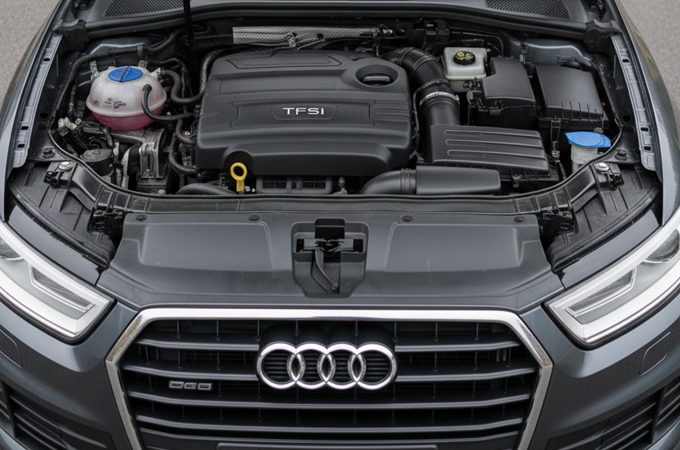

Why I Chose a Reconditioned Audi Q3 Over a Brand-New or Used Engine for Sale in UK
When the timing chain on my 2015 Audi Q3 2.0 TDI gave way with no warning, leaving a trail of internal destruction, I was faced with a decision that every long-term owner dreads. The initial quotes from the main dealer were enough to induce a heart attack—we were talking about a figure that represented nearly half the car’s current market value. My first instinct was to look for a used engine for sale near me, scouring local breakers yards for a low-mileage salvage unit. However, the uncertainty of that route kept me awake at night. Buying a second-hand unit is essentially a gamble; you are trusting that the donor vehicle’s history is clean and that the previous owner maintained it as meticulously as I try to. While a used Audi Q3 engine is cheaper upfront, the risk of hidden internal wear, lack of warranty, and the potential for the same failure to occur again within months made it a less appealing solution for a vehicle I rely on daily.
After weeks of research, I pivoted to the reconditioned Audi Q3 engine route. This decision came down to a simple concept: predictability. When you purchase a reconditioned engine, you aren’t just buying a hunk of metal pulled from a scrapyard; you are buying a component that has been stripped down, inspected, and rebuilt to meet specific tolerances. The reconditioned engine price might sit in the middle ground between a cheap salvage pull and an eye-watering brand-new crate motor, but the value lies in the “middle ground” security. I found a specialist who offered a remanufactured Audi Q3 engine unit with a comprehensive parts and labour warranty. Unlike a used engine that comes with “as-is” uncertainty, my recon unit came with verified mileage documentation from the donor block and a clear HPI clearance check showing the donor vehicle wasn’t a total loss due to fire or flood—two things that can compromise a block in ways a visual inspection can’t detect.
Navigating the Market: Comparing a Rebuilt Audi Q3 vs. Remanufactured Options
One of the biggest hurdles I encountered was deciphering the terminology used by engine sales near me. It’s vital to understand that not all “reconditioned” engines are created equal. When I started calling around to find the best place to buy engines, I discovered a massive distinction between a “rebuilt” unit and a “remanufactured” one. A rebuilt Audi Q3 engine typically involves a mechanic taking the existing block out of your car, fixing only the broken part—perhaps replacing the piston rings and bearings—and putting it back in. While this can solve an immediate failure, it often leaves the other high-mileage components intact, which can lead to a cascade of subsequent failures. In contrast, a remanufactured unit is usually built on an exchange basis at a specialised facility. This process involves stripping the engine down to the bare block, hot-tanking it to remove sludge, and then cylinder head resurfacing, engine block honing, and the installation of oversized pistons & rings and crankshaft grinding to bring everything back to factory (or better) specifications.
To build authority in my decision, I insisted on seeing the work order. A reputable supplier for replacement Audi Q3 engines will be proud of the machining process. I looked for shops that adhered to British Engineering Standards (BS EN) regarding tolerances and clearances. The supplier I ultimately chose provided a breakdown of the machining costs, showing me that they had performed a full compression testing on the internal combustion assembly before sealing it up. They also used OEM (Original Equipment Manufacturer) parts for the gaskets and seals, rather than aftermarket alternatives that might shrink or fail prematurely. This level of transparency separated them from the generic ads I saw for sale engine listings that offered no traceability. It gave me the confidence that I was paying for a unit that would offer the reliability of a new engine without the prohibitive cost, effectively bridging the gap between a cheap gamble and an expensive OEM purchase.
The True Cost: A Detailed Breakdown of My Reconditioned Engine Price and Labour
Let’s get down to the numbers, as this is where the concept of reconditioned engine prices becomes tangible. My final invoice was split into three clear sections: the core unit, the ancillaries, and the labour. The reconditioned engine price for the 2.0 TDI (EA288) unit itself came in at £2,450. This was a reconditioned engines UK price that was VAT inclusive, which is crucial to verify upfront because many scrapyards advertise prices excluding VAT, adding a nasty 20% surprise at checkout.
This price included a surcharge exchange policy for my old core unit. Essentially, I paid a refundable deposit of £300, which I got back once they verified my old block was rebuildable. This is standard practice for remanufactured engines and helps keep the initial cost down. When I compared this to the comparison of reconditioned vs new prices, a brand-new crate engine from Audi was quoted at £6,800 plus VAT, while a low-mileage used engine was around £1,800 but with only a 30-day warranty.
The Installation Experience: Finding a Replacement Engine Supplier Near Me for Supply and Fit
Finding a facility that could handle the engine supply and fit near me was a logistical challenge that required vetting. I quickly learned that not every garage has the specialized tooling to handle an Audi Q3, specifically the engine hoist and specialized tools required for the Quattro drivetrain. I narrowed my search to a VOSA approved garages (now DVSA) that employed fully certified technicians.
The garage I chose worked in tandem with the engine supplier, which streamlined the warranty claim procedure significantly. Had I bought the engine myself and hired a random mechanic to fit it, any future issue would have turned into a blame game between the parts supplier and the installer. By using a facility that offered both engine supply and fitting, I created a single point of accountability.
Assessing the Savings: How Reconditioned Engines Fitted Near Me Beat the Dealership
To truly measure the “real-world savings,” I had to look beyond the immediate invoice and consider the total cost of ownership. The dealership’s solution was a straight engine replacement with a brand-new unit, totalling roughly £8,000. My route, utilizing reconditioned engines fitted near me, cost £3,750. That’s a saving of £4,250.
However, if I had gone with a shady second hand engine from a generic where to buy used engines online marketplace for £1,500 and paid a general mechanic £800 to fit it, I would have “saved” £1,450 compared to my route. But that math only works if the engine is perfect. Unfortunately, with a used unit, you often inherit the previous owner’s neglect. In my research, I saw countless stories of people who bought a 2nd hand engine only to discover it had service history records that didn’t match the mileage, or worse, it failed the compression testing three months later, leaving them with no warranty and a massive double-labour bill.
Lessons Learned: Ensuring Trust with HPI Checks and Buyer Protection Guarantees
My journey taught me that buying a replacement engine is as much about due diligence as it is about mechanical compatibility. The most crucial lesson was to never, ever buy an engine without verifying the source. When you are looking at a listing for an engine for sale, whether it’s a used motor engine or a reconditioned unit, you must demand documentation.
I insisted on seeing the donor vehicle condition report and the verified mileage documentation before handing over a deposit. If a supplier cannot tell you exactly which vehicle the base engine came from, walk away. I also learned the importance of secure checkout / Escrow services when making a high-value purchase online. I used a payment method that held the funds until I had visually confirmed the engine serial number matched the invoice upon delivery.